

Ukrainian Drone Attacks on Refineries Far From Only Threat to Russia’s Oil Industry
Paul Goble
Executive Summary:
Ukrainian drone attacks on Russian refineries have sparked a country-wide gas shortage and cost Moscow significant export earnings. They are far from the only threat to Russia’s oil industry. Other, less dramatic threats are likely to prove more significant.
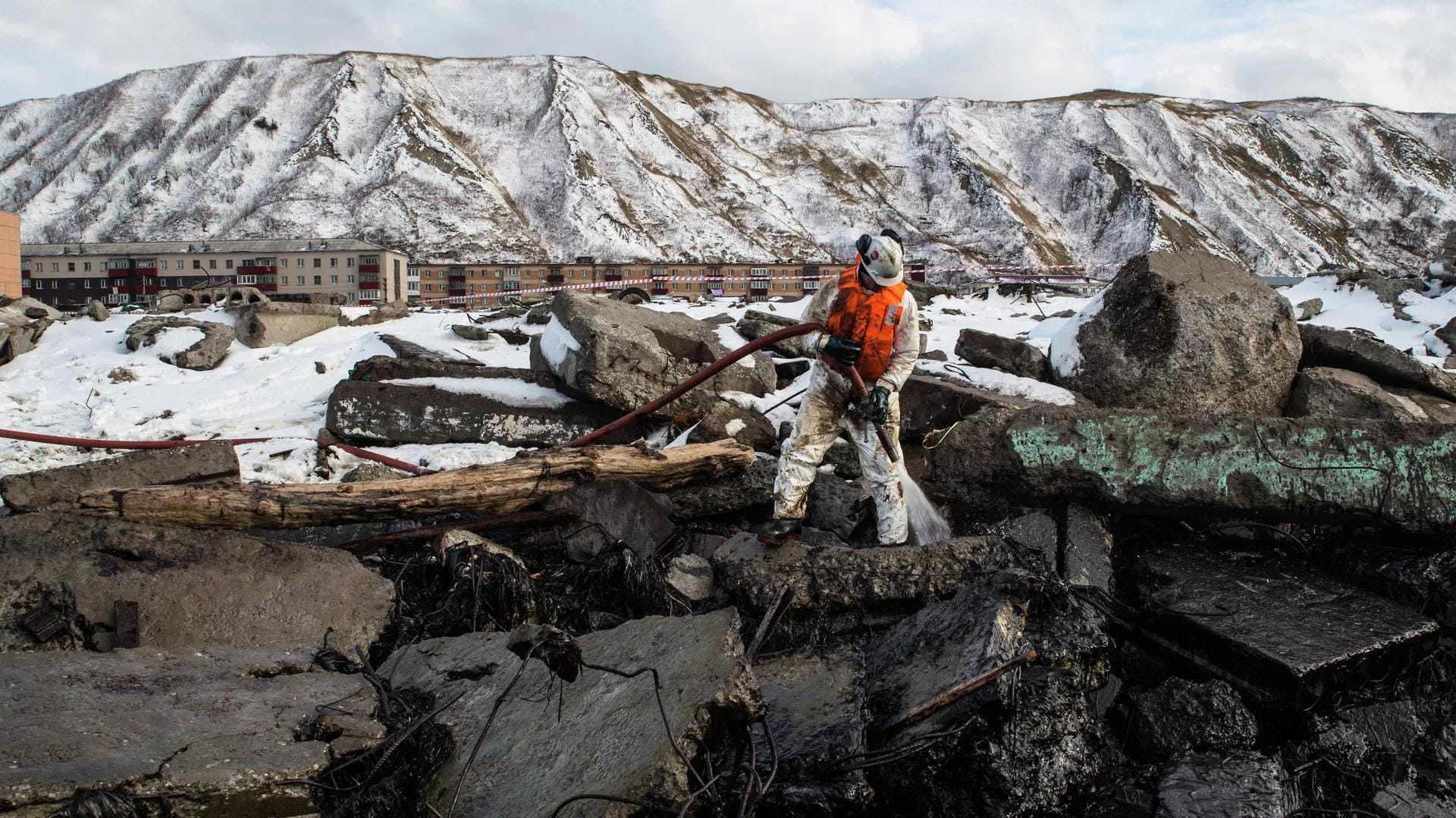
Much of Russia’s pipeline network and tanker capacity, dating from Soviet times, is aging and increasingly prone to leaks, reducing the flow of oil to refineries and export markets on which the Kremlin relies while fueling growing anger among Russians.
As older fields are exhausted, Russia is being forced to develop new ones in the Far North, where global warming threatens infrastructure and collapse and requires money Moscow lacks or refuses to spend to prevent new disasters.
Ukrainian drone attacks on Russian refineries have sparked a country-wide gas shortage and cost Moscow significant export earnings. They are far from the only threat to Russia’s oil industry and even to Russian President Vladimir Putin’s standing (see EDM, December 22, 2025, July 10, 14). Other underlying threats, while less dramatic so far, may prove more significant, as they could reduce Russia’s production and earnings over time (see EDM, June 25). Much of Russia’s domestic pipeline network and tanker capacity, dating largely from Soviet times, is aging and increasingly prone to leaks that reduce the flow of oil over the longer term to refineries as well as to export markets on which the Kremlin relies, while sparking ever more domestic anger among Russians (Window on Eurasia, April 14, 2024, July 24; Novye Izvestia, June 24, 2025; Meduza, September 3, 2025; Arctida, July 14). As Russia’s older fields are exhausted, it is being forced to develop new and more distant ones in the Far North, where global warming threatens infrastructure collapse and requires money Moscow does not have or is unwilling to spend to prevent new disasters (Window on Eurasia, August 18, 2021, May 17, December 6, 2025; see EDM, March 4, 2025; Nasha Versia, February 10).
To keep public alarm over the current crisis from spreading to these deeper, longer-term problems, the Russian government has played down these risks, blocking coverage of many of these developments in the central media and even ending the release of data that could allow others to track and report on what is happening (Yesli Byt’ Tochnym, March 22, 2023; IStories, July 14, 2025). Environmental activists, both in Russia and internationally, have been sounding the alarm and documenting their concerns with evidence drawn from government sources, where leaks of another kind are also a problem for the Kremlin. The most prominent coverage of the oil industry’s problems has come from the Bellona organization in Norway, which gained fame for reporting on Soviet-era dumping of nuclear waste in the Arctic, and from Arctida, a Russian émigré group that tracks developments in the northern regions of the Russian Federation (The Moscow Times, March 31; Arctida, July 14). Arctida’s coverage is significant for tracking problems in the Russian oil industry that extend beyond the refineries Ukrainian drones have destroyed.
In the wake of those attacks, Raya Levashova, climate and environment analyst at Arсtida, has drawn particular attention to these broader problems. More than half of Russia’s 250,000-kilometer (155,342-mile) oil pipeline network is worn out, she notes, and should be repaired or replaced because leaks are now a significant problem. In some places, as much as 80 percent of the oil-carrying infrastructure needs to be replaced now (Arctida, July 14). She adds that, in 2023, the last year Moscow released such data, there were 14,716 major pipeline ruptures, spilling oil into the surrounding environment, contaminating it and limiting the flow of oil to refineries. That figure, already alarming, has almost certainly grown since then, which explains why Moscow has worked so hard to keep such information under wraps.
The Arctida analyst says worse is yet to come as the number of such leaks will skyrocket in the coming years as Rosneft builds a new 9,000-kilometer (5,592-mile) network in the Russian Far North, where it is developing new fields. This pipeline system will be new and thus avoid the problems of aging infrastructure, yet global warming, melting permafrost, and the company’s unwillingness or inability to spend the money needed to ensure its stability could certainly increase the risk of leaks. Rosneft is upbeat about the new routes, saying shipments from the Taymyr Peninsula will begin this September. Levashova sees little reason to accept those claims. Only 700 kilometers (435 miles) of the projected 9,000 kilometers (5,592 miles) have been laid as of June, and the company faces serious problems coping with global warming’s impact on pipeline stability (Arctida, July 14).
Levashova says environmentalists such as her are worried that as the project proceeds, the risk of leaks will rise dramatically and harm the fragile ecosystems of the High North. Rosneft’s approach, she argues, is based on the assumption that environmental conditions will remain stable rather than deteriorate, despite scientific projections. Even pipeline segments that are stable today will be at risk as temperatures rise and the permafrost melts further. Specifically, the relatively inexpensive but low-capacity thermosyphons (passive heat exchange systems that allow for the circulation of air in the ground) that the company is installing will no longer work effectively since they rely on larger differences between air and ground temperatures than those already present in many places in the Russian North and expected across the entire region in only a few years (Arctida, July 14).
Even “at current rates of warming,” she concludes, “localized engineering solutions can no longer guarantee the safety and stability of industrial pipelines; the risks of deformation and loss of containment are rising in step with the climate crisis. In addition, this crisis is being worsened in part by the oil being burned after traveling through these pipes.” She points out that the Russian government has failed to impose fines stiff enough to discourage Rosneft and others from cutting corners, thereby allowing the companies to build in ways that make accidents more likely. Moscow has instead reduced rather than strengthened environmental protections and enforcement (Novaya Gazeta, June 24). As Levashova puts it, “It is often more cost-effective for Russian oil companies to pay fines and compensate for damage than to invest” to prevent such disasters (Arctida, July 14).
Taken together, these trends mean the oil crisis in the Russian Federation will not end even if Ukrainian attacks on refineries do, unless Moscow redirects spending to ensure its pipelines and tankers are safe. The Putin regime is unlikely to take those steps, even with prices remaining high due to the U.S. conflict with Iran. The consequences for the Russian economy and for people across the Russian Federation—first in the Far North, then more broadly—could be enormous and, over time, exceed those of the current Ukrainian drone attacks (Yesli Byt’ Tochnym, September 22, 2023; Arctida, March 25, 2025; East Russia, May 13, 2025; Caspy.Land, July 9).
This article was originally published in Eurasia Daily Monitor.