

Executive Summary:
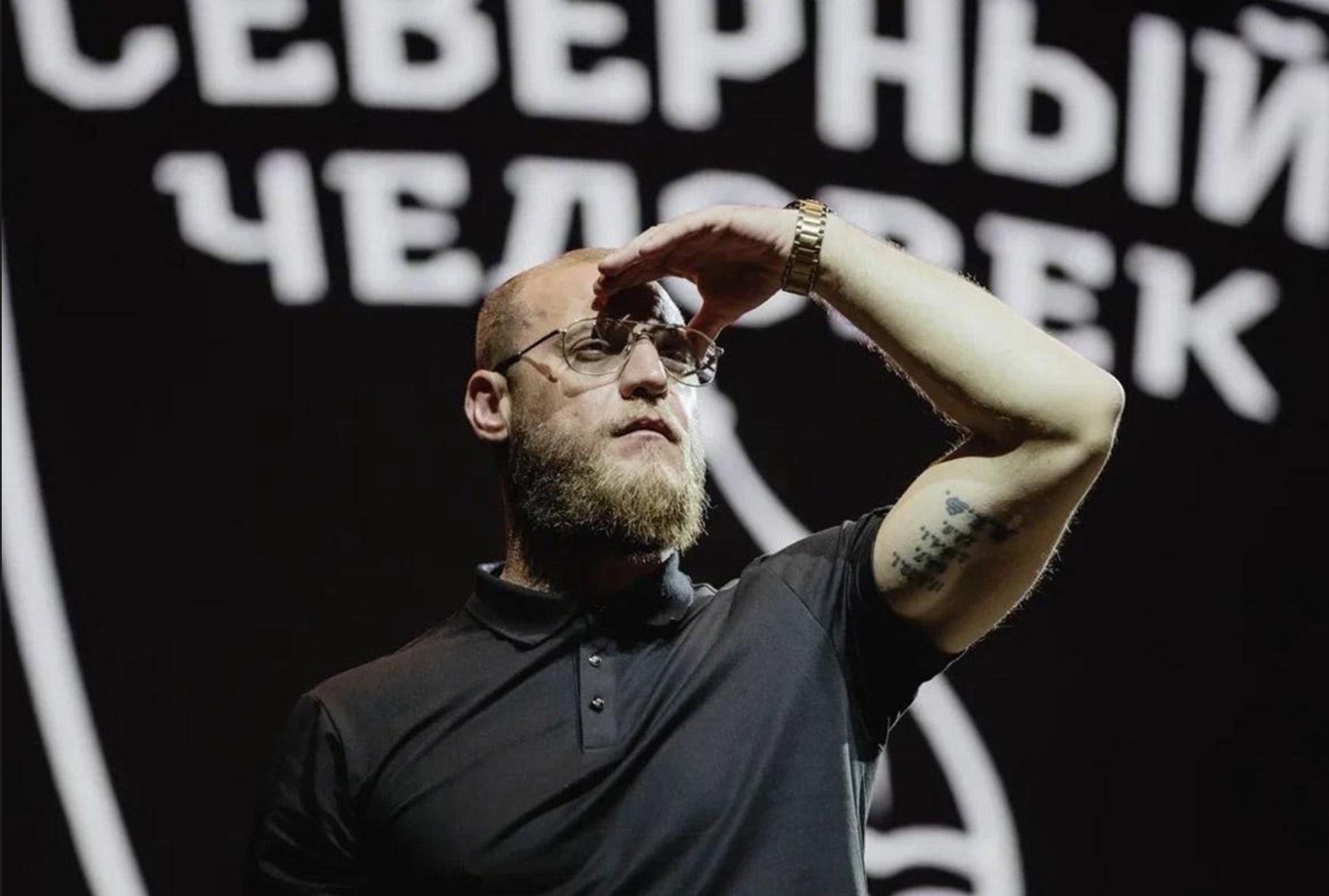
The death of Mikhail Mavashi, 41, the rap star behind the Northern Man group, in a reported automobile accident, reduces the chances that his extreme Russian nationalist group will threaten Russia with widespread violence by attracting veterans to their banner.
Any hopes that Mavashi’s death will be followed by the demise of the Northern Man group and its violence are misplaced given that its members are already threatening new attacks and that other Russian nationalist groups will seek to win over its members.
The Kremlin will certainly find new Northern Man violence easier to deal with as this will undoubtedly come from regional branches rather than the center, but it will face real difficulties if groups like the Russian Community adopt Northern Man approaches.
Rap star Mikhail Mavashi, 41, who was behind the Northern Man group, died in a reported automobile accident on October 14 (Ekho FM, October 25). The Northern Man group is informed by paganist ideas and the conviction that others are not doing enough, including through using violence, to back Russian President Vladimir Putin’s war against Ukraine, expel immigrants, and implement traditional Russian values. His death reduces the chances that this extreme Russian nationalist group will attract returning veterans and threaten Russian society with a mounting tide of violence, something the Kremlin has long feared (Meduza, September 12, 2025; see EDM, September 18, 2025). Mavashi’s death does not eliminate that threat entirely, however, as members of the Northern Man organization say they will use violence against anyone who attempts to exploit their leader’s passing. In the wake of Mavashi’s death, they are less likely to act as an all-Russian force and more likely to operate through the organization’s regional structures across the country (Window on Eurasia, October 26). Moscow will find that easier, but it will face another challenge at the same time. The Russian Community, the largest Russian nationalist group and one with close ties to the Kremlin, is likely to adopt some of Northern Man’s approach to win over its supporters and gain recruits from returning veterans (see EDM, October 15, 2024, May 27, July 30, 2025).
Since Mavashi set up the Northern Man group in 2022, it has lived in the shadow of the Russian Community (BBC Russian Service, June 7, 2024). The latter is better funded and more closely connected to both the Kremlin and the Russian Orthodox Church. Many also dismiss Mavashi as just a rap music star who took his group’s name from a song he wrote and who speaks more through music than through typical political declarations, rather than a serious political leader (Meduza, October 12, 2025). Because he is a rapper, however, his messages to his followers are simple and direct. He routinely called for expanding support of Putin’s invasion of Ukraine, promoting Slavic unity, opposing immigration, promoting traditional values, and using violence to achieve those ends (Ukrainian News, October 25). Those goals and the call for violence to achieve them in particular attracted many less well-educated Russians. Veterans of the war against Ukraine powered the growth of the Northern Man group and forced even Russian government officials to take notice, even if most commentators dismissed the Northern Man as an afterthought to the Russian Community. Not only has the Russian Community been forced to cooperate with Northern Man despite their differences on religion and methods, but various regional governments in the Russian Federation have felt compelled to cooperate with Northern Man branches and include representatives of Mavrashi’s organization in their advisory groups (7x7, November 20, 2023; Natsional’niy Aktsent, April 29, 2024; NGRegion, June 30, 2024). Northern Man is thus more important than many acknowledge, especially because it can reach groups the Russian political elite often ignores.
Between the group’s founding and Mavashi’s death, Northern Man has become more active in promoting its goals, even creating paramilitary groups to do so (7x7, November 20, 2023; Orlovckiye Novosti, March 23, 2025). Using these forces, it has repeatedly attacked ethnic minorities and those who have questioned the implementation of what Putin calls “Russian traditional values,” sometimes working with the Russian authorities or with other Russian nationalist groups like the Russian Community or the Forty of Forties and sometimes on its own at cross purposes with others (NGregion, June 30, 2024; Ruskaya narodnaya liniya, December 2, 2021). Overall, and despite the lack of mainstream coverage in Moscow and the West, the Northern Man group has been remarkably successful in blocking the activities of others it does not approve of and in promoting its own agenda, even at times when the Russian authorities have blocked those of others (Telegram/@mikhailmavashi, November 5, 2024).
In important respects, Mavashi and his Northern Man group recall Vladimir Zhirinovsky and his Liberal Democratic Party of Russia (LDPR). Zhirinovsky was often dismissed as a clown, but his influence and ideas spread widely in Russia during his lifetime and afterward precisely because he said bluntly what others were afraid, or at least unwilling, to say. Because of this parallel, the Kremlin has always been wary of groups like Northern Man, even when it sees them as useful fellow travelers on particular occasions. That caution explains why the Kremlin has become ever more nervous about Mavashi and the Northern Man group as the number of veterans returning from Putin’s war against Ukraine has skyrocketed and expanded the number of people in the Russian Federation ready to listen to Mavashi and support the Northern Man group even when that puts the organizer and his organization at odds with the Kremlin authorities (see EDM, September 28, 2025).
There is little doubt that at least some in the Kremlin are not unhappy that Mavashi himself has departed from the scene. They may even be convinced that without his charisma, the entire Northern Man project will collapse, since it was his rap music that set not only the tone but also the group’s agenda. As some have been forced to acknowledge about the impact of Zhirinovsky after his death, however, Mavashi’s influence and hence that of his Northern Man organization could even increase despite the absence of obvious successors and the lack of outside supporters, just as has been the case with Zhirinovsky and the LDPR (The Moscow Time, October 7). If that should prove to be so in this case, then Mavrashi’s death could hardly have come at a worse time for the Kremlin given that the Northern Man group has become a symbol precisely when veterans of Putin’s expanded war against Ukraine are flooding back into the country and providing him and his organization with an expanded support base.
While Mavrashi personally may not benefit from this, his organization, and even more the other major Russian nationalist project, the Russian Community, almost certainly will. The Northern Man group is simply too large to destroy all at once, especially since many of its values align with the Kremlin’s, and the Russian Community will undoubtedly seek to win over Northern Man members and gain the supporters it expected from returning veterans. These moves will challenge the Kremlin’s control of that group and make it harder for Putin to manage how Mavrashi’s demise has reshaped the extreme right of the Russian nationalist world.